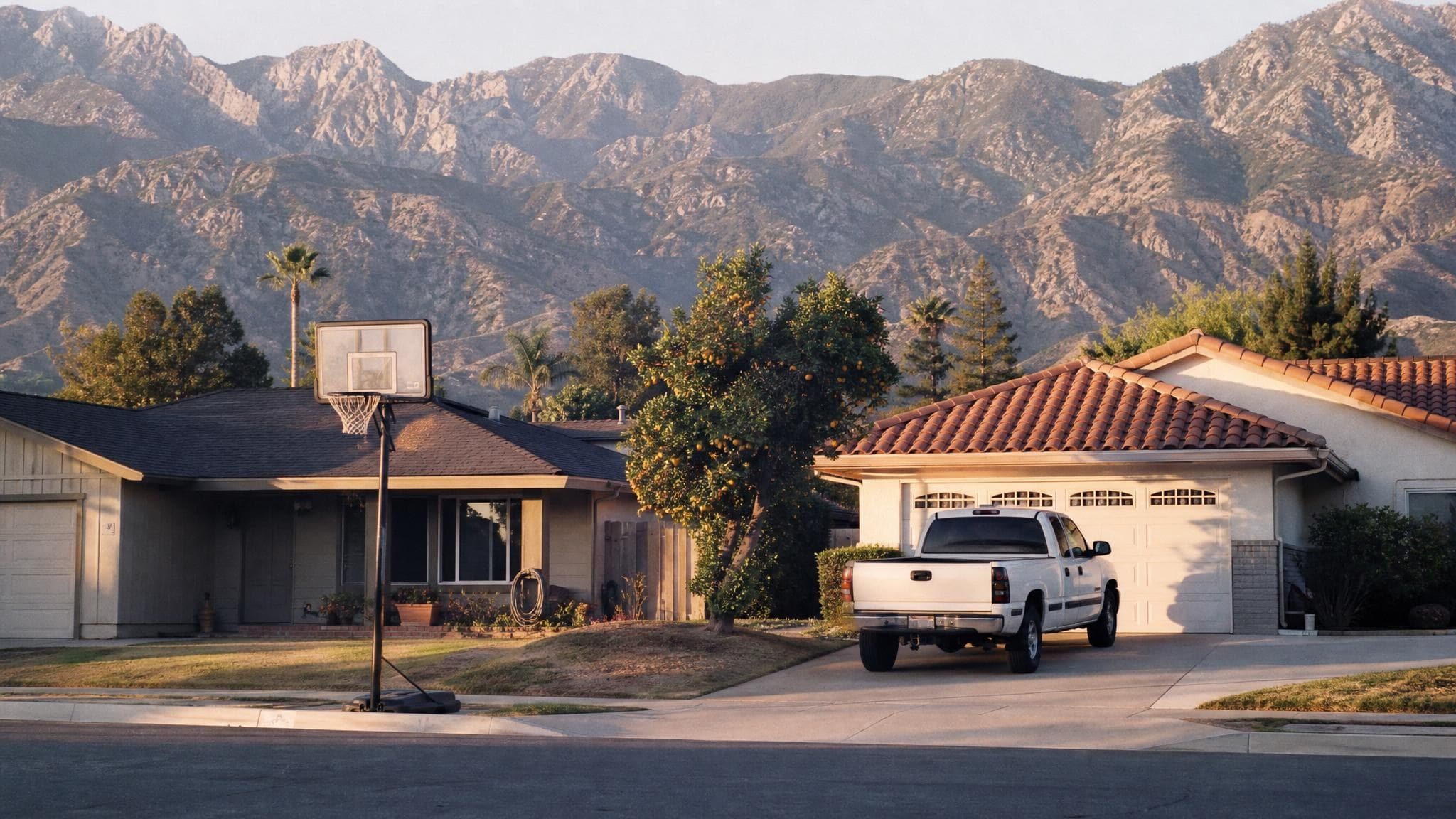
HELOC · Inland Empire
Tap your Inland Empire equity without touching the rate that got you here.
A HELOC is a second lien that sits behind your existing mortgage. The low rate that made your Riverside or San Bernardino payment work stays exactly where it is while you draw on the equity above it, only as you need it.
Set My Rate Alert →Free, no obligation. Soft credit pull, no score impact.Gold Standard Mortgage · NMLS #1779283Isaiah Wilburn · NMLS #1887173 · CA DRE #02204474
At a glance
- Typical Inland Empire home value runs roughly $550K to $620K as of early 2026, still the most affordable major SoCal market.
- Owners who bought or refinanced in 2020 to 2022 often locked a low rate worth protecting; many who moved inland more recently bought at a higher one.
- A HELOC reaches your equity without giving up a locked rate; a refinance pays off fastest for recent, higher-rate buyers.
- We run both on your actual loan with a soft credit pull, no impact on your score, before you ever apply.
The Inland Empire market, in plain terms
The Inland Empire is Southern California's inland growth corridor: Riverside and San Bernardino counties, east of Los Angeles and Orange County, where the region's newer subdivisions and master-planned communities keep getting built. Families relocate from coastal LA and OC for more house and a real yard, first-time buyers find a price they can actually reach, and the local economy runs on logistics, healthcare, and the universities, UC Riverside and Loma Linda among them. As of early 2026, a typical IE home runs roughly $550,000 to $620,000, with Riverside County generally higher and San Bernardino County lower. Treat any single figure as approximate; this market covers a lot of ground.
What sets the IE apart from the coastal metros is when its owners bought. Plenty locked rates in the 2020 to 2022 window and now hold real equity from the run-up that followed. But a large share bought more recently, often at the edge of what the budget allowed, because moving inland was how the numbers finally worked. That second group is carrying rates from the higher-rate years that followed, and for them refinancing is not a someday idea. It was the plan all along: buy the house first, then improve the loan as rates ease or income grows.
- Typical home value
- ≈ $550K–$620K (approx., early 2026)
- Common equity uses
- ADUs, multigenerational space, consolidation
- The local wrinkle
- Many owners bought recently at higher rates
- We serve
- Riverside and San Bernardino counties
Approximate typical Inland Empire home value, based on public market data through early 2026. Values vary widely by area and are not a valuation of your home.
Why HELOCs fit Inland Empire households
If you bought or refinanced in the Inland Empire during the 2020 to 2022 window, you are probably holding both halves of the classic California pairing: a first-mortgage rate low enough to be irreplaceable, and equity built through the run-up that followed. A cash-out refinance would spend the first to reach the second, repricing your entire balance at today's rates. A HELOC does not. It sits in second position behind the loan you are protecting, charges interest only on what you actually draw, and leaves the payment that made this house work exactly as it is.
What IE owners draw for reflects how people actually live here. Multigenerational households are common, and an ADU or converted garage adds a place for parents or adult kids, or rental income that helps carry the mortgage. Renovations keep an older Riverside or San Bernardino house competitive with the new construction down the freeway. Education draws show up too, tuition at UC Riverside or Loma Linda paid as the semesters bill rather than borrowed all at once. And consolidating credit-card debt against a home-equity rate is often the most immediate win of all, provided the payoff plan is real. We size the line to the goal, not to the maximum a lender will approve.
Illustrative. A HELOC draws from your equity while your first mortgage, and its low rate, stays exactly where it is. Your figures depend on your home value and balance.
What we watch on an Inland Empire HELOC
A few IE-specific factors shape how we structure a line here.
Keep the payment you moved inland for
Many IE households got a mortgage here that LA and OC could not offer. The line borrows above that loan rather than replacing it, so the below-coastal payment that justified the move stays out of the transaction entirely.
ADUs earn twice here
A backyard unit can house family and generate rent, in a region where both matter. A line that draws in stages matches how construction actually bills.
Consolidation needs a real plan
Moving credit-card debt at 18 to 25 percent onto a home-equity rate saves real money, but it secures that debt against your house. We pressure-test the payoff plan before you commit.
Equity depends on when you bought
A 2020 or 2021 purchase likely supports a meaningful line; a 2024 purchase may not yet. We estimate your combined loan-to-value with a soft pull before anything touches your credit.
Neighborhoods and communities we serve in Inland Empire
- Riverside
- Rancho Cucamonga
- Corona
- Eastvale
- Fontana
- Temecula
- Ontario
- San Bernardino
Inland Empire HELOC questions, answered
Does adding a HELOC touch my existing Inland Empire mortgage?+
No. A HELOC is a separate loan in second position. Your first mortgage keeps its balance, rate, and payment exactly as they are. What changes is that you add a second, smaller obligation beside it, with interest charged only on what you draw.
Can a HELOC fund an ADU for my parents or adult kids?+
Yes, and in the Inland Empire that is one of the most common uses we see. Multigenerational living is a big part of how this region works, and a line that draws in stages fits the way an ADU or garage conversion gets built and billed. We help size the line to real bids and keep the combined payment honest.
Is a HELOC a good way to consolidate debt?+
It can cut the rate on credit-card balances dramatically, and that is real monthly relief. The honest trade-off: you are converting unsecured debt into debt secured by your home. It only makes sense with a payoff plan you will actually follow, and we will tell you plainly if the numbers or the plan do not hold up.
How much equity do I need for an Inland Empire HELOC?+
Lenders look at combined loan-to-value: your first mortgage plus the new line, measured against your home's value. Owners who bought before or during the 2020 to 2022 run-up usually clear the bar comfortably; more recent buyers may need principal paydown and appreciation first. We run your numbers with a soft pull, no impact on your score.
“Isaiah Wilburn was amazing. He supported us when we were uncertain about the process and kept a positive attitude the entire time. He helped keep us motivated through the chaos. Thank you, Isaiah!”
Use the equity. Keep the rate that got you here.
Set a rate alert and we will watch home-equity terms for your scenario, then reach out when a line genuinely beats the alternatives.
Set My Rate Alert →Free, no obligation. Soft credit pull, no score impact.Gold Standard Mortgage · NMLS #1779283Isaiah Wilburn · NMLS #1887173 · CA DRE #02204474