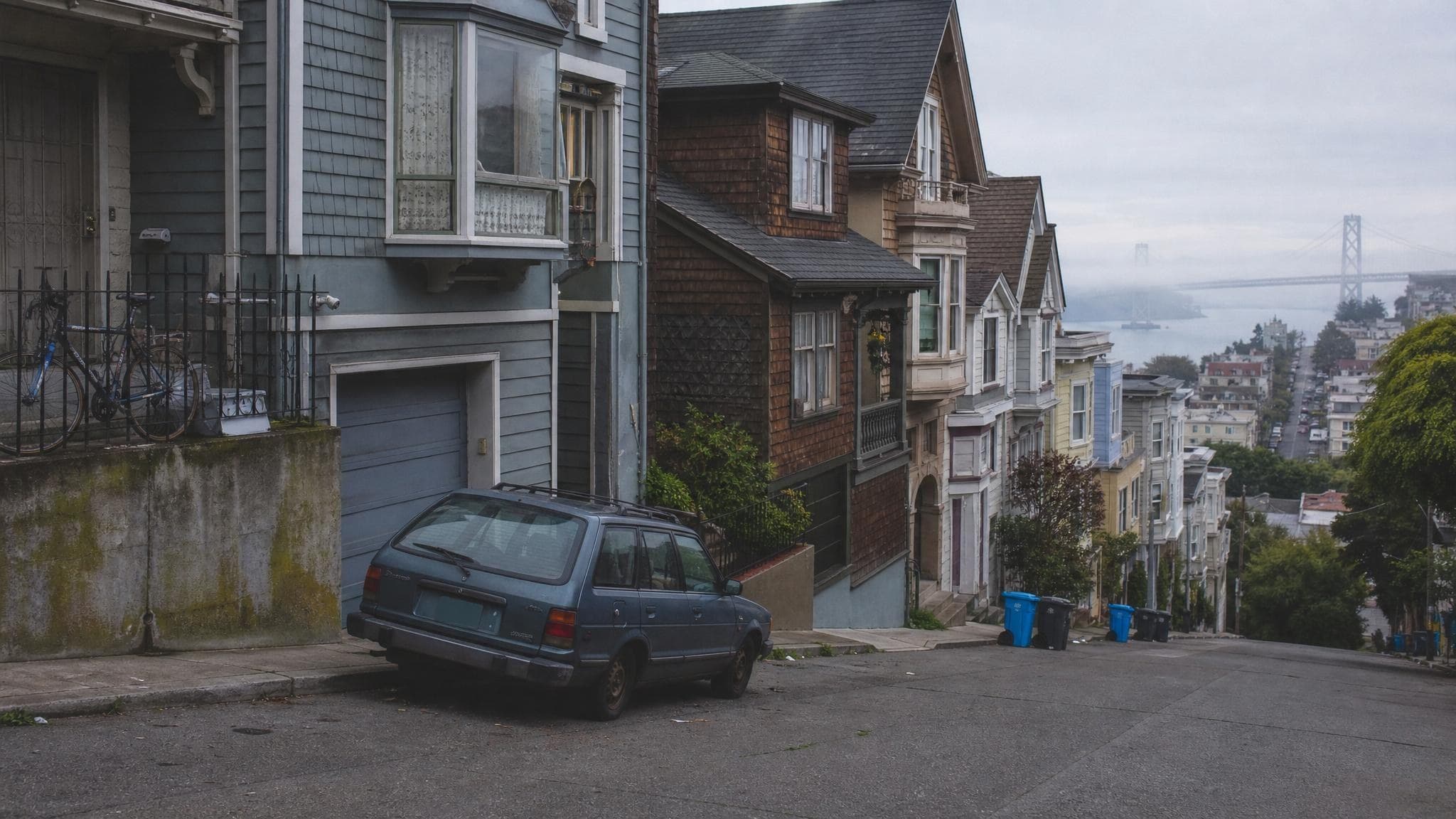
HELOC · Bay Area
Put Bay Area equity to work without repricing a very large loan.
A HELOC is a second lien behind your existing mortgage. On Bay Area balances that separation matters more than anywhere: your low first rate keeps covering the big loan while the line reaches the equity above it, for an ADU, a remodel, or the next house.
Set My Rate Alert →Free, no obligation. Soft credit pull, no score impact.Gold Standard Mortgage · NMLS #1779283Isaiah Wilburn · NMLS #1887173 · CA DRE #02204474
At a glance
- Typical Bay Area home value runs roughly $1.2M to $1.4M regionally as of early 2026, with East Bay lower and Santa Clara County higher.
- Many Bay Area owners locked a 2020 to 2022 first-mortgage rate near 3 percent, among the lowest anyone in the state is holding.
- Equity here is large enough that a cash-out refinance genuinely competes with a HELOC; we run both before you choose either one.
- We run the refinance and the HELOC on your actual numbers with a soft credit pull, before anything touches your file.
The Bay Area market, in plain terms
No other California market spreads as wide as the Bay Area. Regionally, a typical home runs roughly $1.2 to $1.4 million as of early 2026, but that average hides the range: Oakland and much of the East Bay sit closer to $850,000 to $900,000, San Francisco runs around $1.4 million, and Santa Clara County clears $1.5 million, with more affordable pockets further out. Limited land, strict zoning, and a concentration of the world's highest-paying employers keep supply tight and demand persistent through every rate cycle. Treat every figure here as a rough marker; which submarket you are in matters more than the regional number.
Ownership splits along the same lines. Tech employees whose compensation arrives partly in stock, multigenerational families in the East Bay, and owners who bought decades ago all share one thing: at these prices, equity is measured in very large dollar amounts, often hundreds of thousands and sometimes past a million per property. Many also locked historically low rates in the 2020 to 2022 window. That combination, huge dollar equity behind a cheap first mortgage, is why the second-lien conversation matters more here than almost anywhere, and why even small rate moves are worth real money on balances this size.
- Typical home value
- ≈ $1.2M–$1.4M regionally (early 2026)
- The submarket spread
- East Bay ≈ $850K–$900K; Santa Clara $1.5M+
- Common equity uses
- ADUs, major remodels, move-up bridges
- We serve
- SF, the Peninsula, South Bay, and East Bay
Approximate typical Bay Area home value, based on public market data through early 2026. Values vary widely by area and are not a valuation of your home.
Why the second lien matters most in the Bay Area
Bay Area equity is a different order of magnitude. After years of constrained supply and concentrated demand, owners here commonly hold hundreds of thousands of dollars of equity, and long-time owners in the strongest submarkets can be past a million. That scale cuts two ways. It means a cash-out refinance is genuinely on the table here in a way it is not in lower-priced metros, because the dollars available can justify the transaction. But it also raises the cost of getting it wrong: repricing a $900,000 first mortgage away from a 2020 to 2022 rate just to reach equity is one of the most expensive mistakes in home finance. A HELOC reaches the same equity from second position and leaves that rate alone.
The draws are Bay Area specific. ADU construction pencils unusually well where land is this valuable, and a line that funds stage by stage matches construction billing. Major remodels of older stock, from San Francisco Victorians to mid-century East Bay homes, are steady work for equity. In this inventory, a line on your current home can bridge a move-up purchase so your offer does not depend on selling first. And for tech households, a standby line can smooth the gap between RSU vesting dates instead of forcing a stock sale at a bad moment. In every case you draw only what you need and pay interest only on that.
Illustrative. A HELOC draws from your equity while your first mortgage, and its low rate, stays exactly where it is. Your figures depend on your home value, balance, and submarket.
What we watch on a Bay Area HELOC
Large lines and layered finances shape the structure here.
Cash-out is a real competitor here
At these equity levels we run the cash-out refinance honestly beside the line. If your first rate is already near market, replacing the loan can win. If you hold 2020 to 2022 pricing, the line almost always does.
Big lines still get sized to the goal
A Bay Area home can support a very large line, but approval ceilings are not plans. We size to the ADU bid, the remodel, or the bridge, with a repayment path you can state out loud.
A bridge draw needs a stated exit
Drawing a down payment for the next home works when the sale plan behind it is real. We pressure-test the carry, both payments at once, before you rely on it.
Variable rates on large draws deserve a stress test
A rate move on a six-figure draw is real money. We map the draw and repayment periods and show the payment at higher rates before you sign.
Neighborhoods and communities we serve in Bay Area
- San Francisco
- San Jose
- Oakland
- Berkeley
- Fremont
- Palo Alto
- Sunnyvale
- Walnut Creek
Bay Area HELOC questions, answered
With this much equity, should I just do a cash-out refinance instead?+
In the Bay Area that is a fair question, because the dollar amounts make either tool viable. The tiebreaker is your first-mortgage rate. A cash-out reprices your entire balance, and on a large Bay Area loan the cost of giving up a 2020 to 2022 rate usually swamps everything else. If your current rate is close to today's market, the cash-out can genuinely win. We run both against your real numbers and show the total cost of each.
Can a HELOC make my offer stronger when I trade up in the Bay Area?+
That is often its quietest advantage. In competitive Bay Area bidding, an offer contingent on selling your current home is easy for a seller to pass over. A line opened in advance lets you draw the down payment and bid without that contingency, then retire the line from the proceeds once your prior home sells. The trade is carrying two payments in the interim, so we map that stretch against a realistic sale timeline before you commit to anything.
How large a HELOC can a Bay Area home support?+
Lenders cap the combined loan-to-value, your first mortgage plus the line, against the home's value. At Bay Area values, even that cap often leaves six figures of borrowing room, and long-time owners can qualify for far more. The practical limit should be your project and repayment plan, not the approval ceiling. We estimate yours with a soft pull.
Can I use a HELOC instead of selling stock?+
Some tech households use a standby line that way: drawing against home equity to cover a need now, then repaying at the next vesting or planned sale rather than liquidating shares on a deadline. It can be sensible when the carrying cost is short-lived, but it is still debt secured by your home, and we walk through that risk plainly, including what happens if the stock or the timeline disappoints.
“Isaiah Wilburn was amazing. He supported us when we were uncertain about the process and kept a positive attitude the entire time. He helped keep us motivated through the chaos. Thank you, Isaiah!”
Your equity is large. Treat it that way.
Set a rate alert and we will compare a line against a cash-out on your actual balance, then reach out when the structure and the terms favor you.
Set My Rate Alert →Free, no obligation. Soft credit pull, no score impact.Gold Standard Mortgage · NMLS #1779283Isaiah Wilburn · NMLS #1887173 · CA DRE #02204474