Refinance
How to get rid of PMI
By Isaiah Wilburn · Jul 20, 2026 · 6 min read
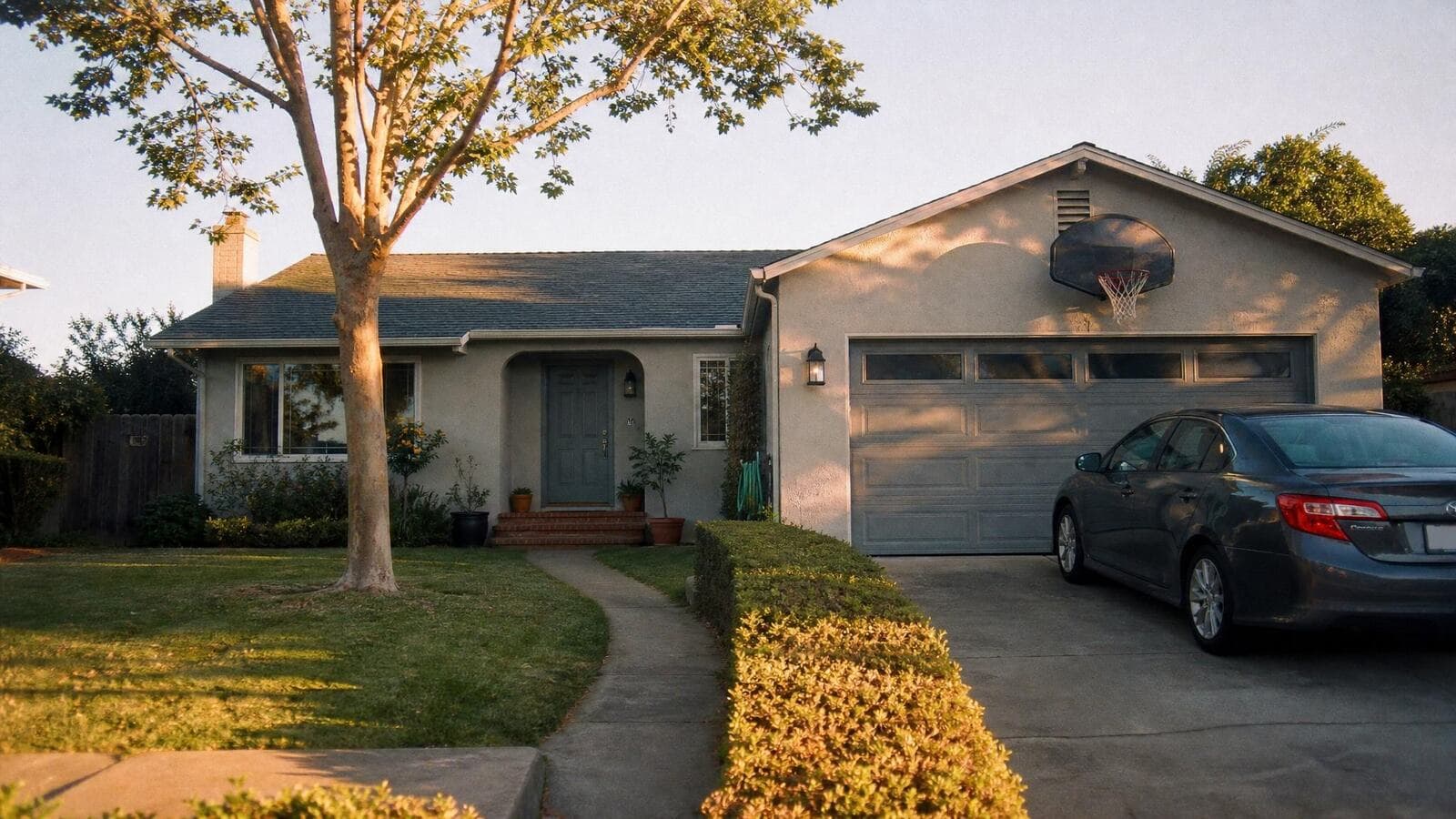
PMI is a fee for a problem you may no longer have. It exists because you put less than 20 percent down, and it is supposed to go away once the loan stops looking risky on paper. The catch is that nobody sends you a letter the day you qualify to drop it. You have to check, and in California, where values have climbed for years, plenty of homeowners are quietly paying for insurance they could cancel.
What PMI is and why you are paying it
Private mortgage insurance protects your lender, not you, if you default. On a conventional loan with less than 20 percent down, lenders require it because the loan covers a bigger share of the home's value. It did a real job: it got you into the house without waiting years to save a larger down payment. But it stops earning its keep the moment your equity crosses 20 percent, and the payments do not stop on their own at that line.
The cost is not small. For many California homeowners, PMI runs roughly 150 to 400 dollars a month as of early 2026, depending on the loan size, your credit when you took the loan, and the coverage the lender required. Call it 1,800 to 4,800 dollars a year for insurance that pays you nothing. Your exact figure is on your mortgage statement, and it is worth looking up before you read the rest of this.
The 20 percent equity threshold
Equity is your home's current value minus what you owe. You build it two ways: by paying down the balance, which is slow, and by the home appreciating, which in California has often been fast. Someone who bought with 10 percent down in 2020 or 2021 may have crossed 20 percent equity years ago without doing anything, because the market did the work. Sacramento values, for example, are up very roughly 30 to 45 percent since 2019, and most California metros saw similar pandemic-era runs. Those are approximate, dated figures, and your neighborhood will differ, but the point stands: appreciation counts toward your 20 percent, and many owners are past the line without knowing it.
Path one: ask your servicer (conventional loans only)
If you have a conventional loan, you can request PMI cancellation without refinancing. Federal law requires servicers to cancel it when your balance reaches 80 percent of the home's original value on schedule, and to drop it automatically at 78 percent. But those triggers ignore appreciation. Most servicers will also cancel based on your home's current value, which is where California owners win. The usual requirements look like this.
- A written request to your servicer, which is what starts the process.
- A solid payment history, typically no late payments in the past year.
- An appraisal or valuation the servicer orders, usually a few hundred dollars.
- Enough equity at current value. Servicers commonly want 20 to 25 percent, depending on how long you have had the loan.
That few hundred dollars is the whole cost. If the appraisal comes back where you need it, PMI ends and your existing loan, rate, and term stay untouched. When this path is open, it is almost always the cheapest one.
Path two: refinance out of it
Refinancing replaces your loan entirely, and if the new loan sits at or below 80 percent of your home's current value, it carries no PMI. This path costs real money, typically thousands in closing costs, so it has to earn its keep. It tends to win in two cases: when rates have also dropped, so the PMI savings stack on top of a rate savings and the break-even comes fast, or when path one is closed to you. Which brings us to FHA.
If you have an FHA loan
FHA loans do not have PMI. They have FHA mortgage insurance, and it plays by different rules. On most FHA loans made since 2013 with less than 10 percent down, the monthly mortgage insurance lasts for the life of the loan. It does not fall off at 20 percent equity, and your servicer cannot cancel it no matter how much your home appreciates.
The FHA catch, in one sentence
Conventional PMI can be cancelled once you have roughly 20 percent equity. FHA mortgage insurance usually cannot, so dropping it means refinancing into a conventional loan, and doing that without picking up PMI on the new loan takes roughly 20 percent equity too. Equity is the key to both doors. FHA just will not open its own.
PMI did its job the day you closed. Once your equity is real, it is a monthly fee for a risk that no longer exists.
Team Wilburn's Refis
How we check it for you
We estimate your current equity from your balance and realistic local values, then price both paths: the appraisal-and-request route on your existing loan against a refinance at today's rates. Soft credit pull, no impact on your score, no application. If you are not at 20 percent yet, we will tell you roughly when you might be and keep watching with you. No pressure either way.
Common questions
How do I find out if I have 20 percent equity?+
Take a realistic estimate of your home's current value, subtract your loan balance, and divide the result by the value. Online estimates are a decent first pass, but servicers rely on their own appraisal or valuation, so treat your number as a starting point, not a verdict. We run this estimate for you with a soft pull, at no cost and with no impact on your score.
Doesn't PMI come off automatically?+
On a conventional loan, yes, eventually. Federal law ends it when your balance reaches 78 percent of the home's original value on the normal payment schedule. But that trigger ignores appreciation entirely and can take years longer than necessary. Requesting cancellation based on your home's current value is usually much faster in a market that has appreciated.
Can I get rid of FHA mortgage insurance without refinancing?+
Usually not. If you put at least 10 percent down, FHA mortgage insurance ends after 11 years. With less than 10 percent down, which covers most FHA loans, it lasts the life of the loan. The practical exit is refinancing into a conventional loan once you have roughly 20 percent equity, so the new loan carries no PMI at all.
Is it worth refinancing just to drop PMI if my rate barely changes?+
Sometimes, yes. Treat the PMI you would stop paying as monthly savings and run the same break-even math as any refinance: closing costs divided by monthly savings. If PMI costs you roughly 250 dollars a month and the refinance costs about 6,000 dollars, you break even near month 24 with no rate improvement at all. On a conventional loan, though, check the request-and-appraisal path first. It is usually far cheaper.
This is part of our Refinance guide.
More on Refinance

Refinance
Refinancing after a divorce in California: keeping the house
How the mortgage side of keeping the home works: coming off the loan versus the deed, how a buyout refinance is sized, qualifying on one income, and when the existing loan can stay.
Sep 25, 2026 · 8 min read

Refinance
The Walnut Creek refinance playbook
Same downtown, four very different mortgages. Which Walnut Creek owner you are decides everything, so start there.
Sep 9, 2026 · 7 min read