California Market
Why so many California homeowners are sitting on low mortgage rates
By Isaiah Wilburn · Jul 20, 2026 · 6 min read
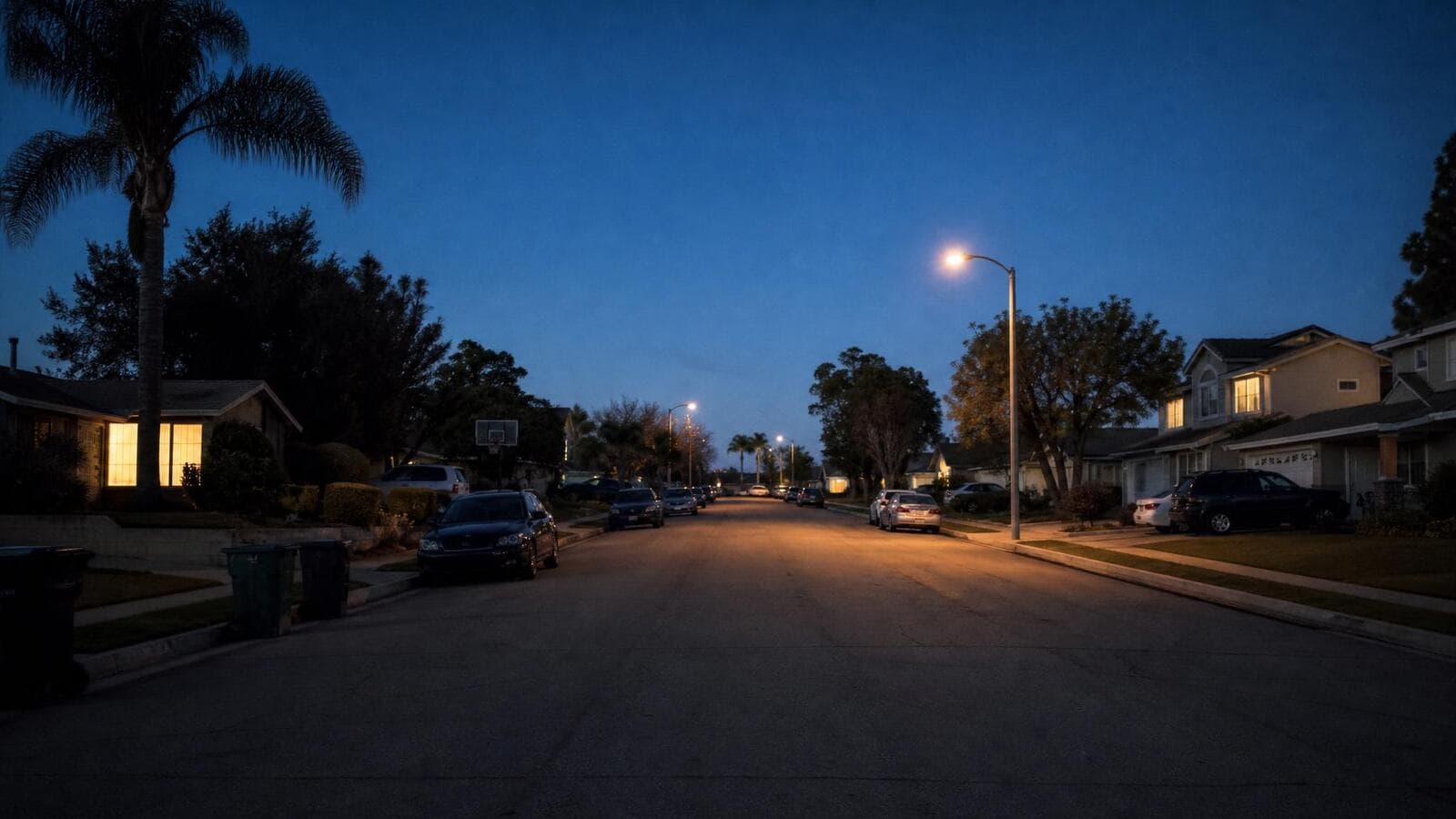
If you bought or refinanced a California home between 2020 and 2022, there is a decent chance your mortgage rate starts with a 2 or a 3. That rate is probably the cheapest money you will ever borrow, and it changes almost every housing decision you will make from here: whether to move, whether to refinance, and how to reach your equity if you need cash. This is what people mean by rate lock-in, and it is worth understanding before anyone talks you into a new loan.
How so much of California ended up under 4 percent
When rates fell to historic lows in 2020 and 2021, homeowners refinanced in enormous numbers, and buyers who closed in that window locked those rates for 30 years. By some national estimates from early 2025, roughly half of all outstanding mortgages carried rates below 4 percent, and about a quarter sat below 3 percent. California, with its huge refinance wave and heavy purchase activity in those years, is full of loans in the 2.5 to 3.5 percent range.
The state's home prices make those rates matter more here than almost anywhere else. On a 150,000 dollar balance, the gap between 3 percent and 6.5 percent is real but manageable. On a 500,000 dollar California balance, that same gap is roughly 17,500 dollars a year in extra interest. The bigger the loan, the more a low rate is worth defending.
What rate lock-in actually means for your decisions
Rate lock-in is the gap between the rate you hold and the rate you would get today. It is not a problem by itself. It becomes a problem when you need something your current loan cannot give you, usually cash, and the obvious tool for getting it would destroy the thing you are trying to protect. You can see the effect all over the California market:
- Fewer homes get listed, because selling means trading a 3 percent loan for a 6-plus percent one on the next house. That thin inventory is a big part of why California prices have held up.
- Owners remodel and add ADUs instead of moving. Improving the house you have keeps the rate you have.
- Cash-out refinances pencil badly for most low-rate holders, because pulling cash that way re-prices the entire balance at today's rates.
- Second liens, especially HELOCs, have become the main way low-rate owners reach their equity.
The math: why cashing out the whole balance usually loses
Say you owe 400,000 dollars at 3.25 percent and you want 100,000 dollars for a renovation. A cash-out refinance would replace your loan with a new one around 500,000 dollars at, roughly, today's mid-6s for a strong profile. Look at what that does to the money you already borrowed: the old 400,000 dollars alone would cost you about 13,000 dollars more per year in interest than it does now. That is the price of the cash before the cash itself costs you anything.
Re-price only what you must
Every dollar you move to today's rates costs you the spread between your old rate and the new one. A cash-out refinance re-prices everything. A HELOC re-prices only what you draw. For most Californians holding a rate under 4 percent, the smaller the balance carrying the new rate, the better the math looks.
Illustrative only. On a hypothetical 900,000 dollar California home, the 400,000 dollar first mortgage keeps its 3.25 percent rate while a 100,000 dollar HELOC draw comes out of the equity above it. Not a valuation or a quote; your value, balance, and terms will differ.
Now run the HELOC version of the same 100,000 dollars. HELOC rates run higher than refinance rates, call it roughly 8 percent as of early 2026, and they are usually variable. That sounds worse until you notice you are only paying it on the 100,000 dollars you drew. Your blended rate across both loans lands around 4.2 percent, far below anything a cash-out refinance could offer you. Your numbers will differ, but the shape of the comparison rarely does when your first mortgage is in the 2s or 3s.
The picture across California metros
This is a statewide story, not a coastal one. As of mid-2026, typical home values sit roughly around 900,000 to 1,000,000 dollars in Los Angeles and San Diego, roughly 1.15 to 1.3 million in Orange County, roughly 500,000 to 575,000 around Sacramento, and high 300,000s to low 400,000s in Fresno. All of those are approximate and shift by neighborhood, but the pattern holds everywhere: owners who bought or refinanced in 2020 to 2022 hold both a low rate and, after years of appreciation, six figures of equity. From the Bay Area to the Central Valley, the question is the same. How do you use the equity without losing the rate?
Your low rate is not a reason to do nothing. It is a reason to be picky about which dollars get today's prices.
Team Wilburn's Refis
When giving up the low rate does make sense
- Your rate is not actually low. If you bought in 2023 or 2024 at 6.5 percent or higher, lock-in does not apply to you, and a straight refinance may pencil the moment rates dip below yours.
- You are consolidating a large pile of expensive debt. Once you count credit cards at 18 to 25 percent, the blended cost of one new loan can occasionally beat keeping the old one. It is rare, but it happens, and we run it.
- You need a fixed payment on a big sum for a long time and a variable HELOC rate would keep you up at night. A fixed-rate home equity loan is a middle path worth comparing before you touch the first mortgage.
The honest answer is that most California homeowners with a sub-4 percent first mortgage should protect it, and the ones who should not are usually easy to spot with real numbers. We run a HELOC against a cash-out refinance side by side using a soft credit pull that never touches your score. If keeping your rate wins, we tell you. If it does not, we tell you that too. No application, no hard pull, no pressure.
Common questions
What is mortgage rate lock-in?+
It is the gap between the rate you hold and the rate you would get on a new loan today. If you locked 3 percent in 2021 and new loans cost 6.5 percent, moving or cash-out refinancing means giving up that spread on your entire balance, which is why so many California owners stay put and tap equity with a second lien instead.
Should I ever give up a 3 percent mortgage rate?+
Sometimes, but the bar is high. It can make sense when you are consolidating a large amount of very expensive debt, when your life genuinely requires a move, or when the loan itself has a problem worth fixing. For pulling cash out, keeping the first mortgage and adding a HELOC usually wins. We run both paths on your actual numbers before you decide.
Are HELOC rates higher than refinance rates?+
Usually, yes, and most HELOCs are variable. But you only pay the HELOC rate on what you draw, while a cash-out refinance applies its rate to your whole balance. If your first mortgage is in the 2s or 3s, the blended cost of keeping it plus a HELOC is typically far lower than re-pricing everything, even with the HELOC's higher rate.
Does rate lock-in explain why so few California homes are for sale?+
It is a major factor. Selling usually means trading a 2020 to 2022 rate for a much higher one on the next home, so many owners who would otherwise move are staying and remodeling instead. That keeps inventory thin, which has helped support California prices even through higher rates.
This is part of our Refinance guide.
More on California Market
California Market
What actually moves your mortgage rate (and what does not)
The Fed does not set it, the news cannot predict it, and the national average is not your quote. How rates really move, in plain English.
Sep 14, 2026 · 6 min read

California Market
California home equity in 2026: where the value is
A region by region look at where California home values and equity sit as of early 2026, and how owners can put that equity to work without giving up a low first mortgage rate.
Jul 20, 2026 · 6 min read