Refinance
When your builder rate buydown expires: dealing with the real rate
By Isaiah Wilburn · Aug 11, 2026 · 6 min read
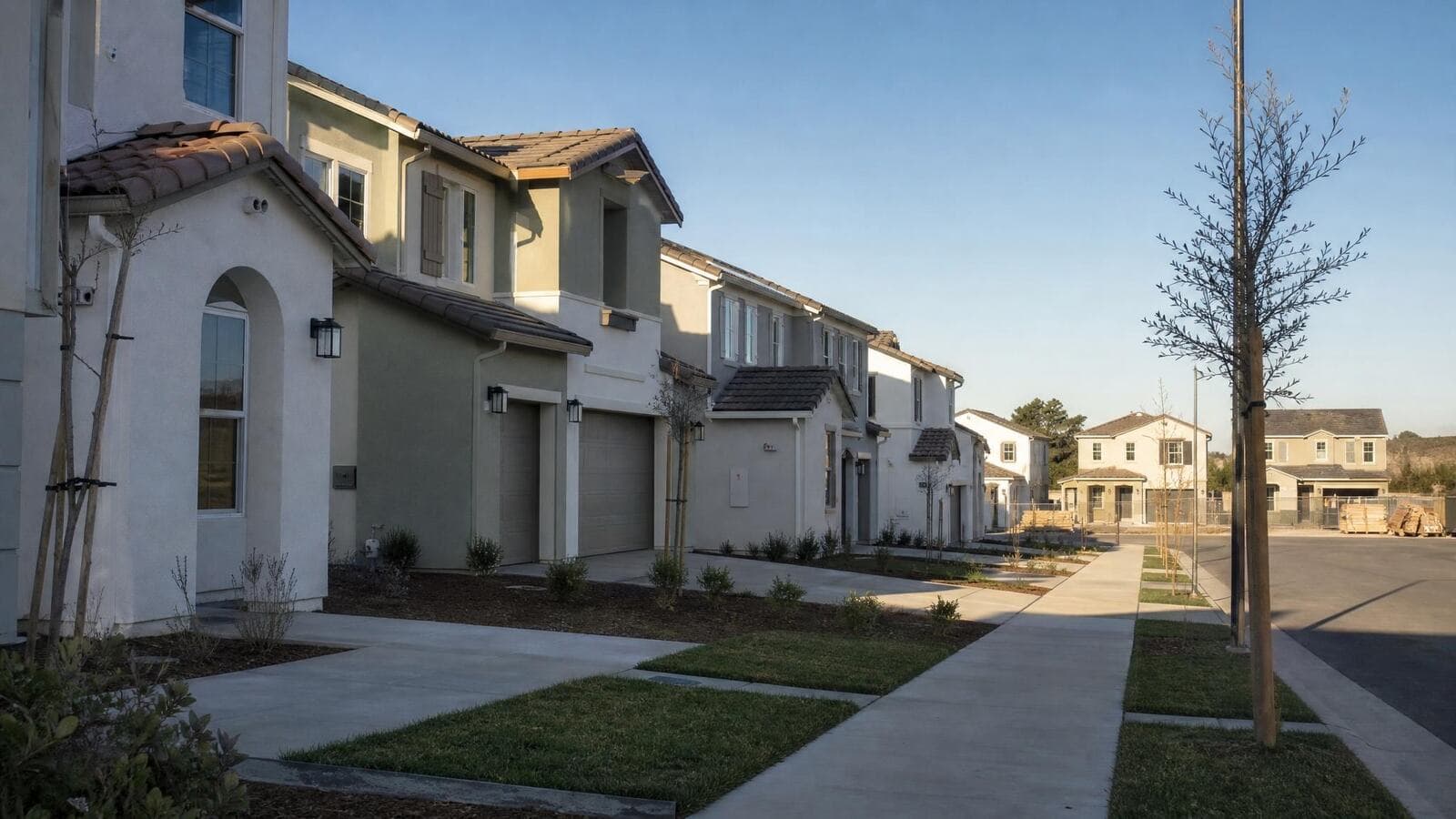
Through 2022, 2023, and 2024, builders across California faced the same problem: rates had jumped, and buyers who could afford the house at 3 percent could not afford it at 7. Their answer was the financing incentive. Use the builder's affiliated lender and you got closing credits, upgrades, and very often a temporary rate buydown that made the first year or two genuinely cheaper. Roughly three quarters of builders were offering some version of this by 2024. If you bought a new home in that window, there is a good chance your loan started life on a teaser, and an equally good chance the teaser has now expired.
How the 2-1 buydown actually worked
The most common structure was the 2-1 buydown. The builder deposited money with the lender to subsidize your payment on a schedule:
- Year one: you paid as if your rate were 2 points below the note rate. A 7.25 percent loan felt like 5.25.
- Year two: the subsidy shrank to 1 point below. The same loan felt like 6.25.
- Year three onward: the subsidy is gone, and you pay the full note rate you actually signed for.
Nothing dishonest happened; the note rate was in your documents all along. But the payment you have been living with was not the real one, and the step-up lands right as the rest of homeownership, taxes, insurance, HOA dues, and in many newer communities Mello-Roos assessments, has also gotten more expensive. The full note rates from that era commonly sit in the high 6s to mid 7s. That is the number that matters now, because that is the number a refinance competes against.
The rate you have versus the rate you can get
Here is the good news hiding in this story: your note rate came from a captive situation. The incentive required the builder's lender, which meant that lender never had to win your business on price, and the buydown made the sticker rate feel painless enough not to shop. Once the teaser ends, none of that history matters. Your loan is just a loan, the market prices it like any other, and if current pricing beats your note rate by enough, the exit math is ordinary refinance math:
Illustrative example. Moving from 7.25% to 6.4% on a new-construction sized balance saves roughly $480 a month, repaying about $8,500 in closing costs near month 18. Your real numbers will differ, and we run them before you apply.
You owe the builder's lender nothing
There is no loyalty clause. Typical loans from builder-affiliated lenders carry no prepayment penalty, and the incentives you received at closing, the credits, the upgrades, the buydown itself, were earned when you closed and are not clawed back when you refinance. Confirm your own documents say the same, then shop your refinance like the purchase lender never existed.
If your buydown is still active
Do not wait for the step-up to hurt before doing the math. Your break-even should be computed against the full note rate, because that is the rate you will hold for decades, not the subsidized one you hold this year. Sometimes the right move is to refinance while the subsidy is still running: you keep the remaining subsidy dollars in some structures, or simply accept losing a few subsidized months in exchange for locking a better long-term rate. Sometimes the right move is to ride the subsidy to its end and have the refinance ready the month the step-up lands. Which one wins depends on the spread, the remaining subsidy, and your timeline, and it is a computation, not a feeling.
The buydown was real money and worth taking. The mistake is treating the teaser as your rate. Your rate is the note rate, and the note rate can be beaten.
Team Wilburn's Refis
If you bought new construction anywhere in California in the last few years, tell us the note rate and when your subsidy ends. We run the exit math on a soft credit pull, including the keep-riding-the-subsidy case, and reach out only when the numbers genuinely clear. The builder chose your first lender. The second one is your call.
Common questions
Is there a penalty for refinancing away from the builder's lender?+
Almost never. Standard conforming, FHA, and VA loans carry no prepayment penalty, and that includes loans written by builder-affiliated lenders. The incentives you received were earned at closing and do not get clawed back. The one caveat worth checking: a small number of loans carry non-standard terms, so we read your note before anything else. It takes minutes and settles the question for good.
Should I wait until my buydown fully expires to refinance?+
Not automatically. The comparison that matters is between your full note rate and today's pricing, because the note rate is what you hold long term. If the spread is wide, refinancing mid-subsidy can win even after giving up some subsidized months, and in some structures unused buydown funds are credited at payoff. If the spread is thin, riding the subsidy and setting an alert for the step-up date is the better play. We compute both paths side by side.
My new home has Mello-Roos and HOA dues. Does refinancing help with those?+
No, and it is worth being clear-eyed about that. Mello-Roos assessments are tied to the property and HOA dues to the community; both survive any refinance untouched. What a refinance can shrink is the principal-and-interest line, which on new-construction balances is usually the largest line in the stack. In communities where the fixed costs never budge, getting the one movable line right matters more, not less.
The builder's lender offered to refinance me. Should I take it?+
Get their quote, then make them beat the market. There is nothing wrong with the affiliated lender winning your refinance, but this time they should have to win it on price, which is exactly the competition the original incentive let them skip. As a broker we price the same loan across multiple lenders, and we will tell you plainly if the affiliated offer is genuinely the best one on the table.
This is part of our Refinance guide.
More on Refinance

Refinance
Refinancing after a divorce in California: keeping the house
How the mortgage side of keeping the home works: coming off the loan versus the deed, how a buyout refinance is sized, qualifying on one income, and when the existing loan can stay.
Sep 25, 2026 · 8 min read

Refinance
The Walnut Creek refinance playbook
Same downtown, four very different mortgages. Which Walnut Creek owner you are decides everything, so start there.
Sep 9, 2026 · 7 min read